

How to Optimize Content for AI Search Engines and Generative Models
The transition from traditional search engines to AI-powered generative models is no longer a future prediction, it’s the current reality.
Key Takeaways: Content Optimization for Generative Models
4- Generative-model optimization focuses on making information accessible, semantically clear, trustworthy, and suitable for synthesis inside direct answers.
- Content should use explicit entities, descriptive headings, concise definitions, and self-contained sections that answer distinct user questions.
- Structured data supports machine interpretation, while original evidence and independent authority signals strengthen the credibility of factual claims.
- Effective optimization combines human usefulness with technical crawlability and measures mentions, citations, and prompt coverage across AI platforms.
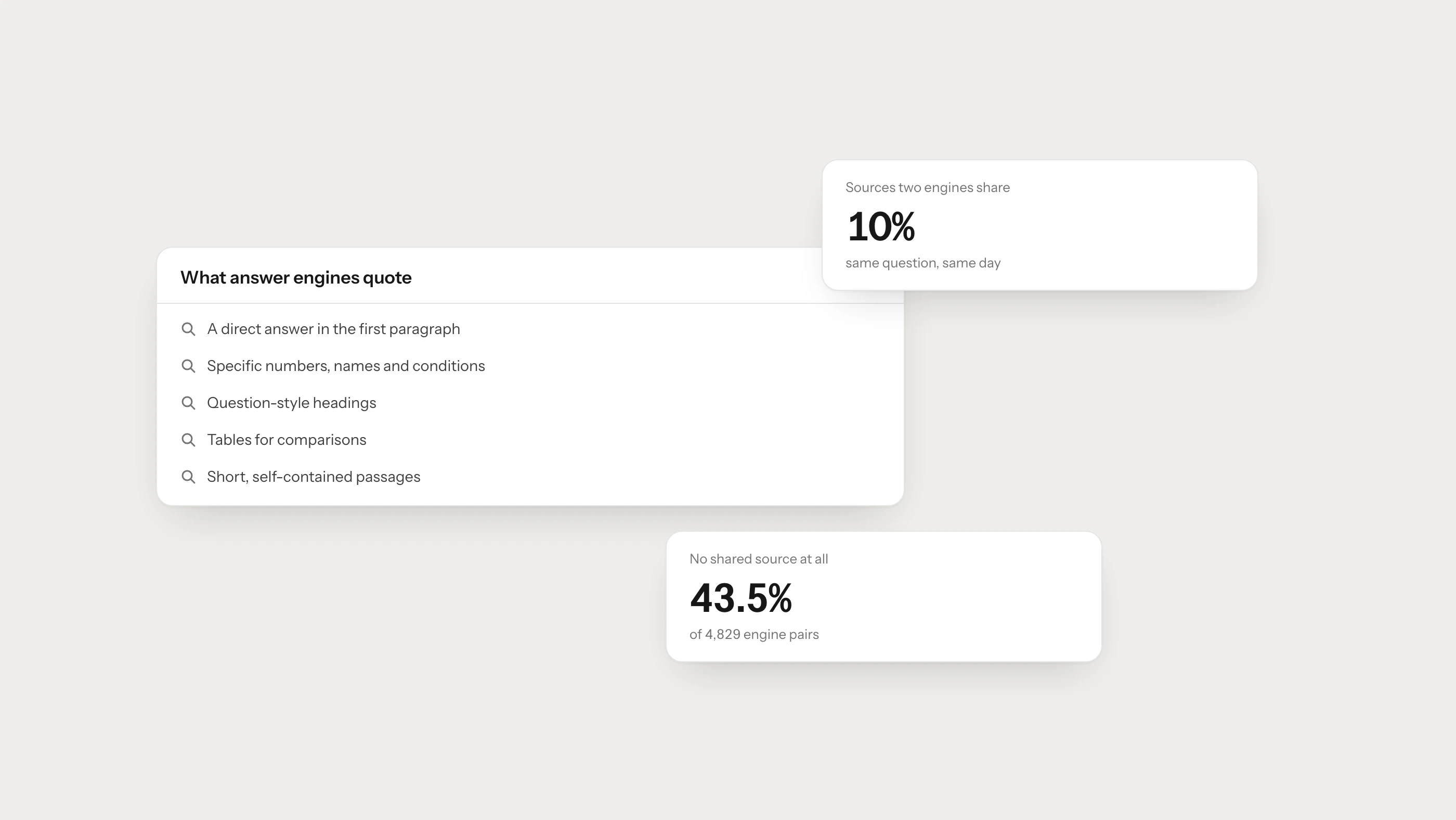
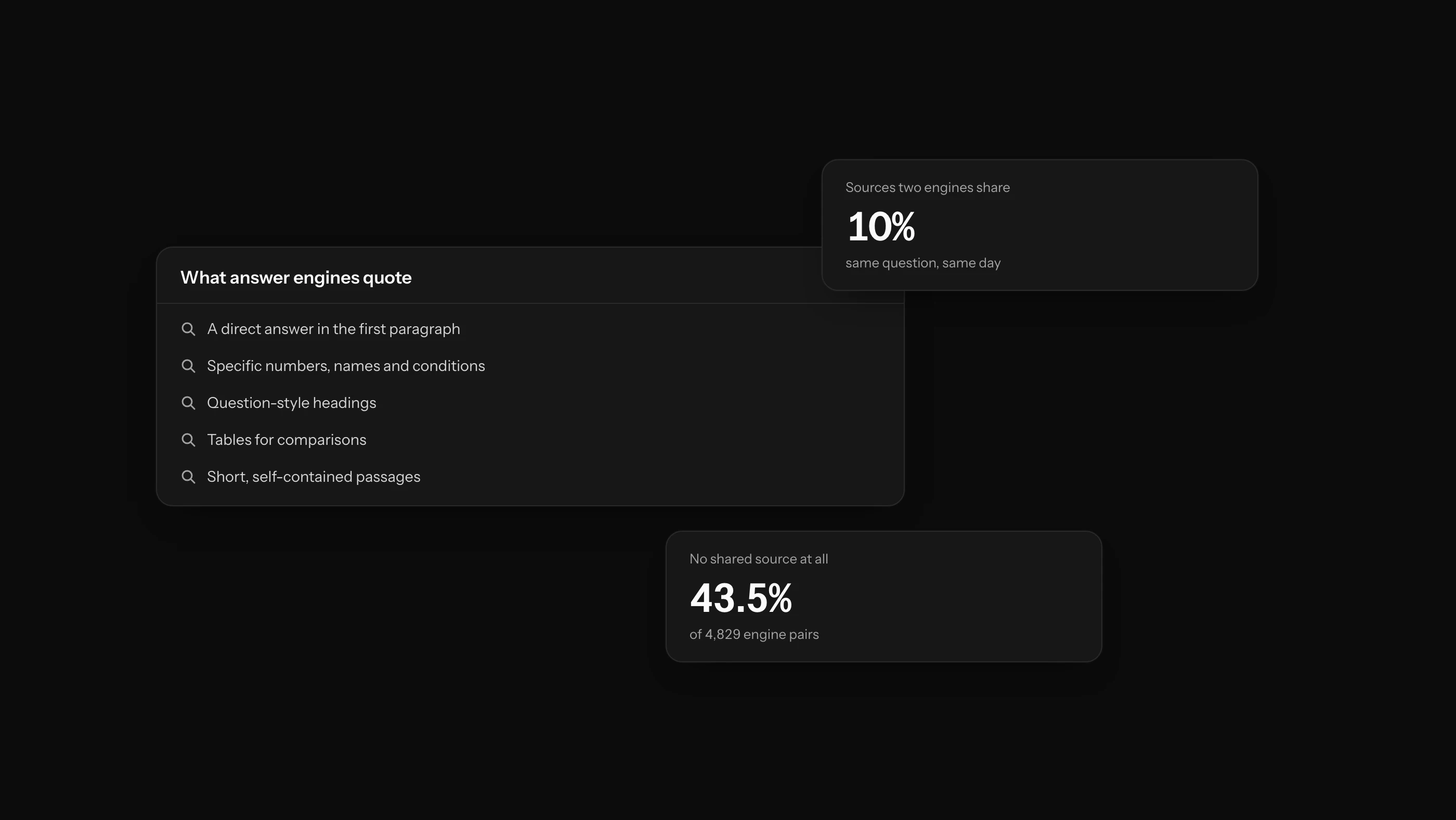
The transition from traditional search engines to AI-powered generative models is no longer a future prediction, it’s the current reality. Users are shifting from scrolling through “10 blue links” to receiving synthesized, direct answers from models like Perplexity, SearchGPT, and Google Gemini.
To stay relevant, creators must evolve. Here is how you can optimize your content for the era of AI Search Engines and Generative Models.
For the full operating model beyond content alone, see Brantial’s Generative Engine Optimization guide.
1. Shift from Keywords to Concepts (GEO)
Traditional SEO was built around keyword density. However, Generative Engine Optimization (GEO) focuses on the context and intent behind the query. AI models look for “information density.”
- Action: Instead of repeating a keyword, answer the “who, what, where, and why” of a topic comprehensively. Use synonyms and related concepts that define your subject in a 360-degree view.
2. Prioritize the “Source-Specific” Format
Generative engines don’t just “read” content; they summarize it. If your content is structured in a way that is easy to summarize, you are more likely to be cited.
- Structure: Use clear headings, bullet points, and concise summaries at the beginning of each section.
- Data-Backed Insights: AI models prioritize content that includes statistics, expert quotes, and unique data points, as these provide the “evidence” the AI needs to back up its generated answer.
3. Implement Semantic Connectivity
AI models understand the world through relationships. By using structured data (Schema Markup), you tell the AI exactly how your content relates to other entities in the real world. This helps the model place your content accurately within its internal knowledge graph.
4. Optimize for Conversational Queries
Search queries are becoming longer and more conversational. People no longer search for “best coffee beans”; they ask, “What are the best organic coffee beans for a light roast espresso at home?”
- Strategy: Create FAQ sections that mirror natural human speech. Long-tail conversational phrases are the primary fuel for generative search results.
5. Measure Your AI Footprint
Optimizing content is only half the battle; you also need to track how AI models perceive your brand. Since traditional analytics can’t show you what happens inside a ChatGPT conversation, using a specialized si visibility tool is essential. This allows you to monitor which parts of your content are being cited and how your brand’s sentiment is being shaped by generative engines.
6. The “EEAT” Factor in the AI Era
Experience, Expertise, Authoritativeness, and Trustworthiness (EEAT) are more important than ever. AI models are programmed to avoid hallucinations by favoring “Trusted Sources.”
- Update Regularly: AI models favor fresh data. Ensure your core content is updated frequently to remain a reliable source for generative engines.
Conclusion: The New Frontier of Content
Optimizing for AI isn’t about “gaming the system”; it’s about providing high-quality, structured, and authoritative information that machines can easily interpret and relay to users. By focusing on GEO and entity-based content creation, you ensure your brand remains the primary answer in a world of generative search.